

Are you considering investing in industrial property in Brisbane or the Gold Coast? Industrial real estate can be a lucrative and stable investment, with many businesses seeking out well-located and functional properties to support their operations. In this guide, we'll take a closer look at the ins and outs of investing in industrial property, including the key considerations and potential returns.
What is Industrial Property?
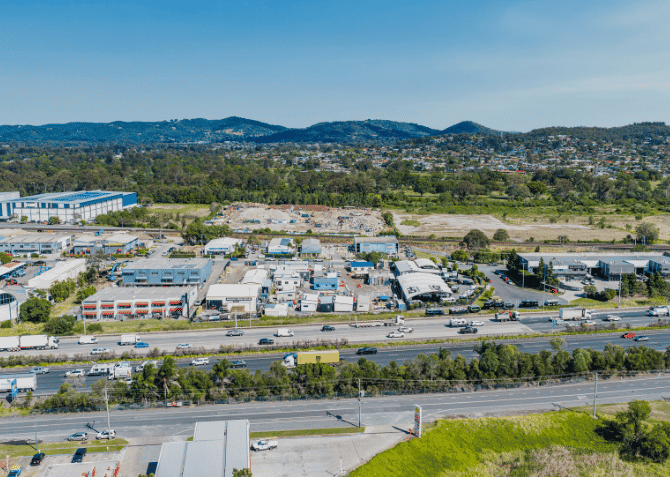
Industrial property refers to any land or building that is used for manufacturing, production, distribution, or storage purposes. This can include everything from factories and warehouses to storage facilities and distribution centers. Industrial properties are typically larger than other types of commercial real estate, and have unique considerations when considering purchasing.
Why Invest in Industrial Property?
There are several reasons why industrial property can be a good investment. For one, demand for industrial space is often strong, as businesses require functional and well-located properties to support their operations. Industrial property also tends to be more stable in terms of demand, as businesses often have long-term leases in place for their industrial space. This can provide a consistent stream of rental income for investors.
Rentals for industrial property on a square meter basis are usually lower than other commerical property such as retail or office space making industrial property an appealing, efficient choice for occupiers.
In addition, industrial property can be a good choice for investors looking for a more hands-off approach. Industrial properties are often leased to creditworthy tenants with long-term leases, meaning that investors don't need to worry as much about finding and retaining tenants. This can be particularly appealing for those who are looking for a passive investments.
There is often less items that can be damaged and require repair. This is especially the case compared to residential properties that may require more upkeep (ie. expense for the landlord).
There is also the ability to on-charge the costs of owning the property to the tenant including items such as property management, land tax and Council rates (see our blog post about outgoings and our webpage about property management for more information).
Key Considerations for Investing in Industrial Property
There are a few key considerations to keep in mind when investing in industrial property. First and foremost, location is crucial. Many businesses want to be close to transportation hubs such as major motorways and arterial roads. Proximity to ready employment pools are also important for companies seeking to attract staff. If purchasing a storage unit, you should consider whether there is a residential population close by with a need for said storage. For example, a storage facility within a community that has large residential blocks with their own sheds may not be as lettable as an industrial unit close to high net worth apartments.
While it is important to consider the condition of the property, perhaps more importantly is its functionality. Ease of access is important. Is the property on a b-double route? Is there space to drop a container? Do the position of the roller doors allow an occupier to reverse a trailer into the building? Does the building have high clearspan warehouse? While there are preferences for each individual markets and each of these points may effect the rental rate, you should consider whether potential occupiers actually need the aformentioned features.
When investing in commercial property you will often need to choose between a versatile property that may appeal to a wide variety of occupiers, versus a property that is specialised which may attract a higher rent from a more select group of tenants (the latter risking rental downtime if the right tenant is not in the market). This is especially the case when reviewing the factory/warehouse to office ratio - would a future tenant want the amount of office space that has been constructed within the building or does it detract from the amount of storage area? Does the high amount of office actually add value to the property as demand for the local area is office heavy? Considering these points before you purchase may save you rental risk in the future.
Finally, it's important to consider the terms of any leases in place, as well as the creditworthiness of the tenants. Industrial properties often have long-term leases in place, so it's important to make sure that the terms are favourable and that the tenant is financially stable. Review the outgoings that are chargeable to the tenant - is it a triple net rent or are the amount of outgoings chargable to the tenant restricted? What are the annual increases - is this in line with CPI or could it limit future rental growth? If purchasing a sale and leaseback (when the vendor is associated with the business wanting to stay in the property), look carefully at the lease terms and check whether the proposed rental is within market.
Potential Returns on Industrial Property Investments
The potential returns on industrial property investments can vary depending on a number of factors, including location, condition, and tenant creditworthiness. However, industrial property can be a lucrative investment, with many investors seeing strong returns over the long term.
For example, an industrial property that is located in a high-demand area and has long-term leases in place with creditworthy tenants could see strong rental income and appreciation over time. On the other hand, an industrial property that is located in a less desirable area or has less stable tenants could see lower returns.
Another factor is potential rental change. Given the typical long leases of industry property, there is the potential that a rental may be increased or decreased when an option to renew falls due. This can be a key consideration for investors when calculating what price they should pay for a property as a potential rental change may be due in the short term that would increase or decrease the return on investment.
All of the above points can determine whether an investor is willing to receive a 4% net return on the asset, or if an 8% net return is more appropriate.
In summary, investing in industrial property can be a rewarding and stable investment, with many businesses seeking out functional and well-located properties to support their operations. By considering location, condition, and tenant creditworthiness, investors can make informed decisions and potentially see strong returns on their investments.
For a guide on the latest returns being achieved in the Brisbane and Gold Coast industrial markets, contact our Crew Commercial sales and leasing agents.
You might also be interested in
Aug 19, 2026
GST and Commercial Property Sales: Understanding Going Concern Exemptions
GST on Commercial Property Sales: How the Going Concern Exemption Works This article explains how GST applies to the sale of commercial property in Australia and what is required for a sale to qualify

Jul 20, 2026
QLD Seller Disclosure Requirements
At a glance Since 1 August 2025, sellers of property in Queensland, including commercial and industrial property, must give buyers a signed Form 2 Seller Disclosure Statement and all prescribed ce